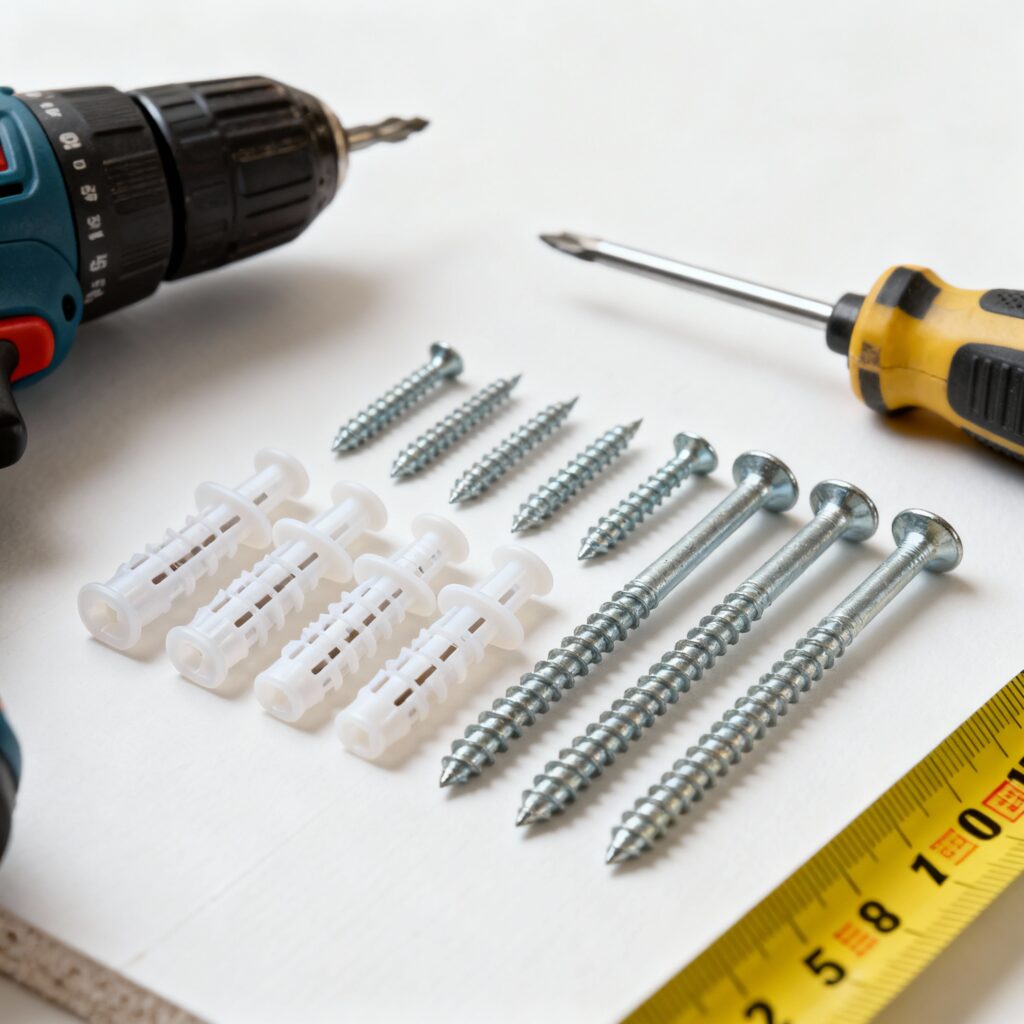
When working on a drywall project, one detail that often gets overlooked is the anchor bolt. These small but powerful fasteners are essential for securing drywall to framing, preventing structural issues, and ensuring the long-term stability of your walls. Without the right anchors, drywall can sag, crack, or fail to support the weight of mounted fixtures.
Here’s what every homeowner and DIY renovator needs to know about anchor bolts for drywall projects.
What Are Anchor Bolts?
Anchor bolts are fasteners that connect drywall, wall studs, or structural components to a solid base like concrete, masonry, or wood. They provide strength and stability, especially when drywall alone isn’t strong enough to hold weight.
Unlike simple screws, anchor bolts are designed to spread pressure across a larger area. This prevents damage to the drywall surface and allows you to securely mount items like:
- Cabinets
- Shelves
- Wall-mounted TVs
- Mirrors or artwork
- Safety railings
In short: anchor bolts reinforce drywall installations so they last longer and perform better.
2.Understanding Anchor Bolts: What Every Drywall Project Needs
- Prevents Wall Damage – Standard screws or nails can easily tear through drywall under weight. Anchors distribute the load.
- Improves Safety – Proper anchoring ensures mounted fixtures don’t fall or cause accidents.
- Supports Heavy Loads – Drywall itself is weak, but anchors make it capable of supporting shelves, appliances, or décor.
- Long-Term Durability – Reduces cracks, sagging, and shifting over time.
For any drywall project—whether it’s finishing a basement, remodeling a room, or mounting new fixtures—anchor bolts are a must.
Types of Anchor Bolts for Drywall
Choosing the right anchor bolt depends on the weight of what you’re mounting and the type of wall surface. Common options include:
- Plastic Expansion Anchors
- Lightweight, inexpensive, and easy to install.
- Best for small items like picture frames.
- Lightweight, inexpensive, and easy to install.
- Molly Bolts (Hollow Wall Anchors)
- Expand inside the drywall cavity for extra grip.
- Ideal for medium-weight items like shelves.
- Expand inside the drywall cavity for extra grip.
- Toggle Bolts
- Feature spring-loaded wings that spread behind the wall.
- Provide strong support for heavy loads like wall-mounted TVs.
- Feature spring-loaded wings that spread behind the wall.
- Sleeve Anchors
- Work with masonry or concrete walls.
- Common in basements or garage drywall projects.
- Work with masonry or concrete walls.
- Concrete Wedge Anchors
- Heavy-duty option for attaching studs or framing directly into concrete.
- Used when drywall is installed against a solid foundation.
- Heavy-duty option for attaching studs or framing directly into concrete.
Each type serves a purpose, and selecting the right one ensures both safety and efficiency.
How to Choose the Right Anchor Bolt
When deciding which anchor to use, keep these factors in mind:
- Weight capacity – Match the anchor to the load. Light anchors for pictures, heavy-duty anchors for shelving or appliances.
- Wall type – Drywall, plaster, wood, or concrete all require different anchors.
- Ease of installation – Some anchors, like toggle bolts, require a larger drilled hole.
- Project scale – For full drywall framing, concrete wedge anchors are often needed to secure studs.
Tip: Always check the packaging for weight ratings before purchase.
Installing Anchor Bolts in Drywall
Here’s a simple step-by-step guide:
- Mark the spot where the anchor will go.
- Drill a hole slightly smaller than the anchor body.
- Insert the anchor (plastic, molly, or toggle).
- Tighten the bolt or screw until the anchor expands and locks in place.
- Mount your fixture securely.
For concrete or masonry, the process includes drilling with a masonry bit and inserting a wedge or sleeve anchor.
Benefits of Using Anchor Bolts in Drywall Projects
- Stronger walls – Ensures drywall panels stay in place without shifting.
- Supports modern living – Handles today’s common wall fixtures like TVs, floating shelves, and cabinets.
- Cost-effective – Prevents damage that would otherwise require drywall repair.
- DIY-friendly – Easy to install with basic tools.
Common Mistakes to Avoid
- Using standard screws directly in drywall without anchors.
- Choosing the wrong anchor size for the load.
- Not drilling the correct hole size, causing loose fits.
- Skipping anchors when attaching drywall to masonry or concrete.
Avoiding these mistakes ensures your drywall remains safe, durable, and ready to handle daily use.
Conclusion
Anchor bolts may be small, but they play a critical role in drywall projects. They keep your walls secure, prevent damage, and allow you to safely mount everything from artwork to heavy shelving. For homeowners who value both safety and efficiency, choosing the right anchor bolts is just as important as selecting quality drywall.
Whether you’re working on a minor home improvement project or a full renovation, make sure anchor bolts are part of your plan. They’re the hidden support that turns drywall into a strong, reliable surface for years to come.